We investigate how epigenetic mechanisms, chromatin organization, and nuclear architecture regulate gene expression, with a focus on heterochromatin—a transcriptionally silent chromatin state that is essential for genome stability and cellular identity. Our work aims to uncover how heterochromatin is established, propagated, and spatially constrained within the nucleus.
Using the model organism Schizosaccharomyces pombe (fission yeast), we leverage conserved chromatin features and genome-wide approaches to achieve a mechanistic understanding of epigenetic regulation.
By combining genetics, functional genomics, and single-cell approaches with complementary expertise in biochemistry, structural biology, and computational genomics from an international network of collaborators, we identify key regulatory factors and dissect the mechanisms that control heterochromatin dynamics across space and time.
08/10/2026
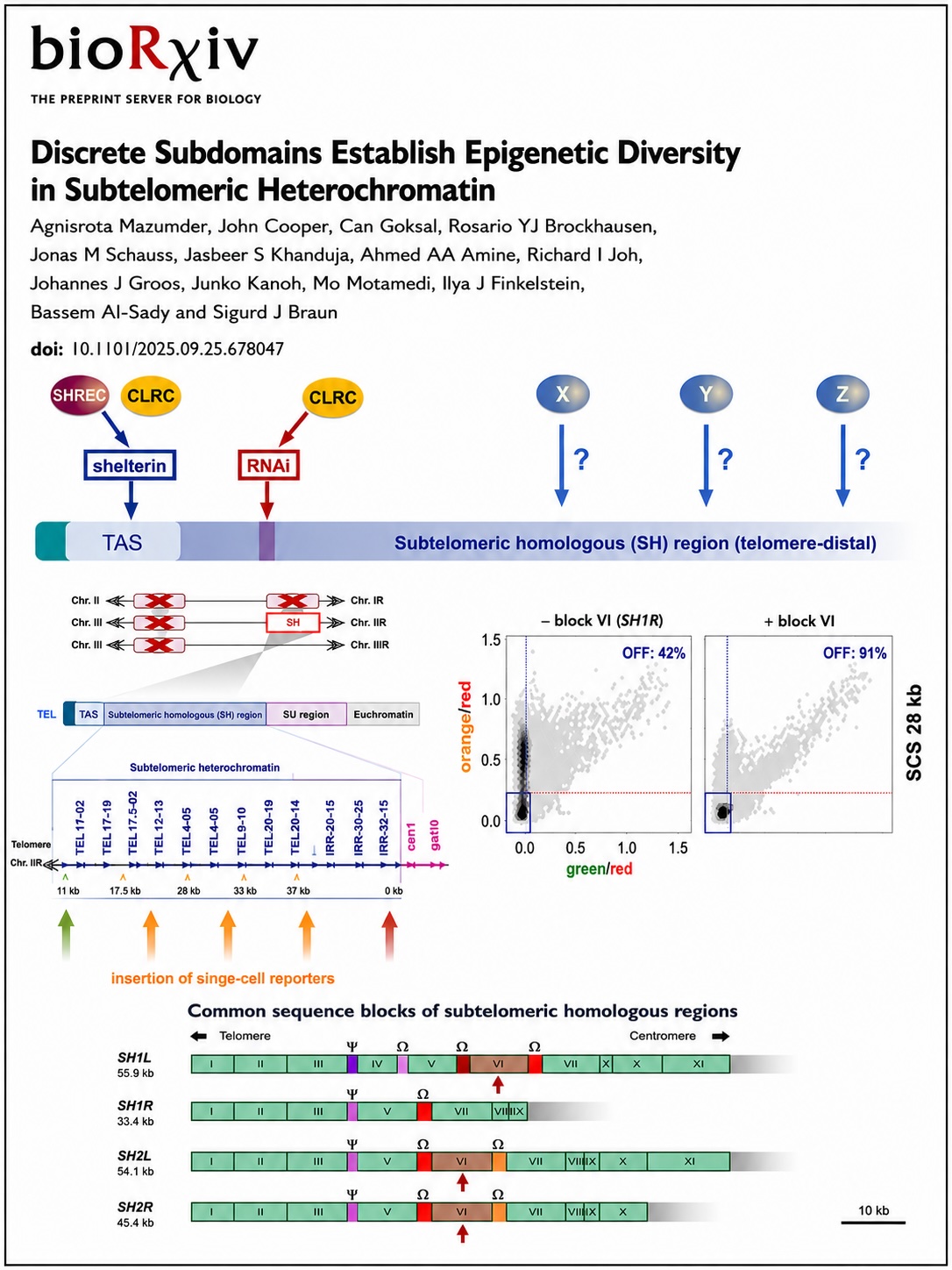
We uploaded a new version of our preprint, in which we expore how heterochromatin is organized and maintained across subtelomeric regions. We uncover position-specific silencing across distinct subdomains and different epigenetic states associated with structural variation. The study grew out of our long-standing collaboration with Bassem Al-Sady’s lab and combines expertise from several international collaborators. It was initiated and spearheaded by Agnisrota, with major contributions from Rosario and Jonas and our collaborating partners.
05/6/2026
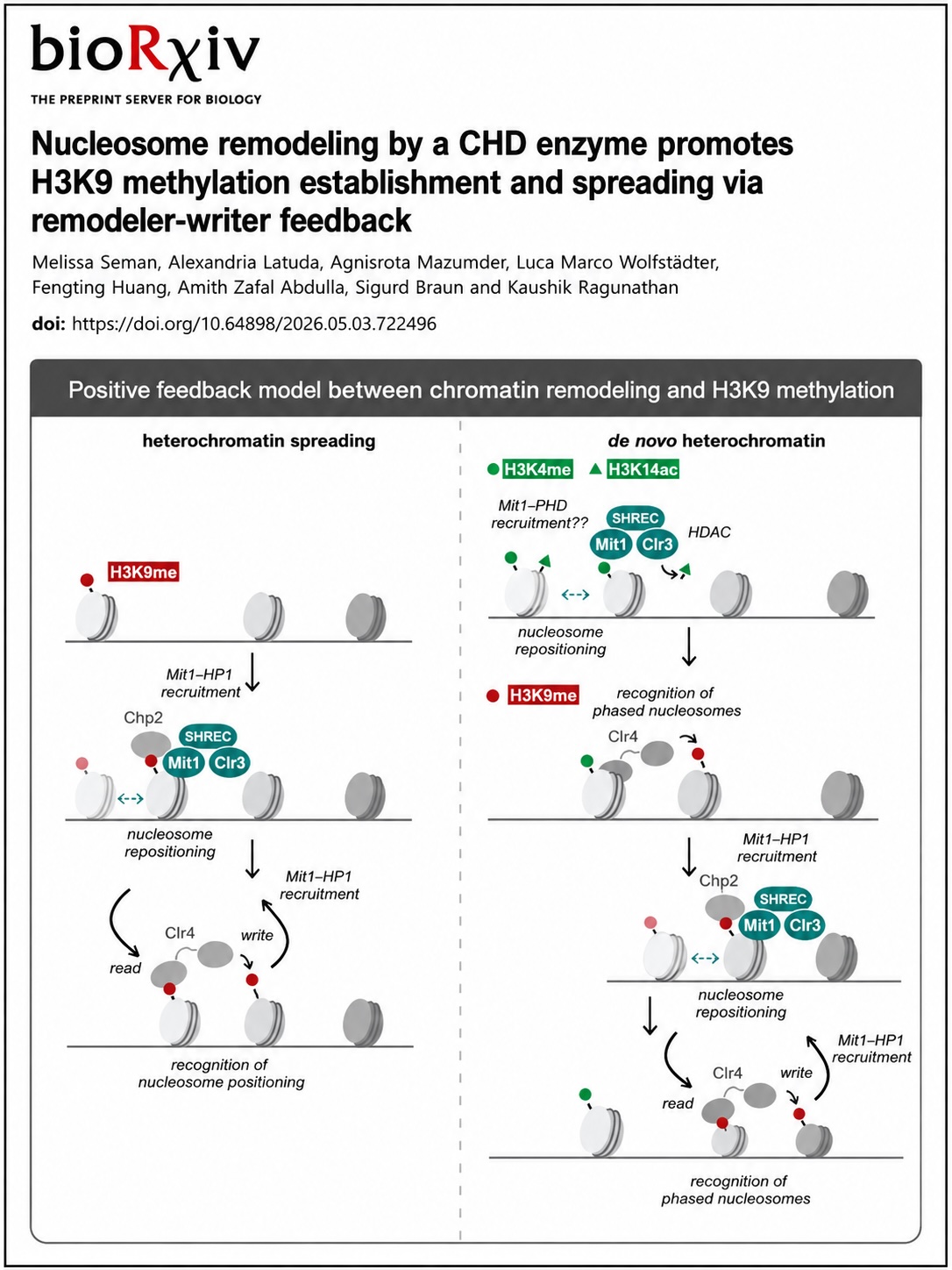
Happy to have contributed to a recent study from Kaushik Ragunathan’s lab, showing how nucleosome remodeling by the CHD-family remodeler Mit1 helps pave the nucleosome landscape for H3K9 methylation by Clr4. This collaboration started over pizza and beer after the 2025 Pombe Conference in Boston. Great contributions from Agnisrota Mazumder and Luca Marco Wolfstädter from our lab, who performed the genetic screen that helped uncover factors controlling Mit1-initiated heterochromatin establishment.

Molecular Biology of Fungi
TU-Braunschweig, Germany, Sep 9-11 2026
Munich Yeast Meeting
Helmholtz Munich, Germany, Oct 9 2026
Max Planck Epigenetics
Freiburg, Germany, Dec 2-4 2026
There were plenty of good reasons to celebrate: completed BSc theses (Kathi and Rosario), new lab members (Sven, Yannik, and Zarah), our brand-new BraunLab.de webpage — and an accepted manuscript! More about the latter very soon — stay tuned!
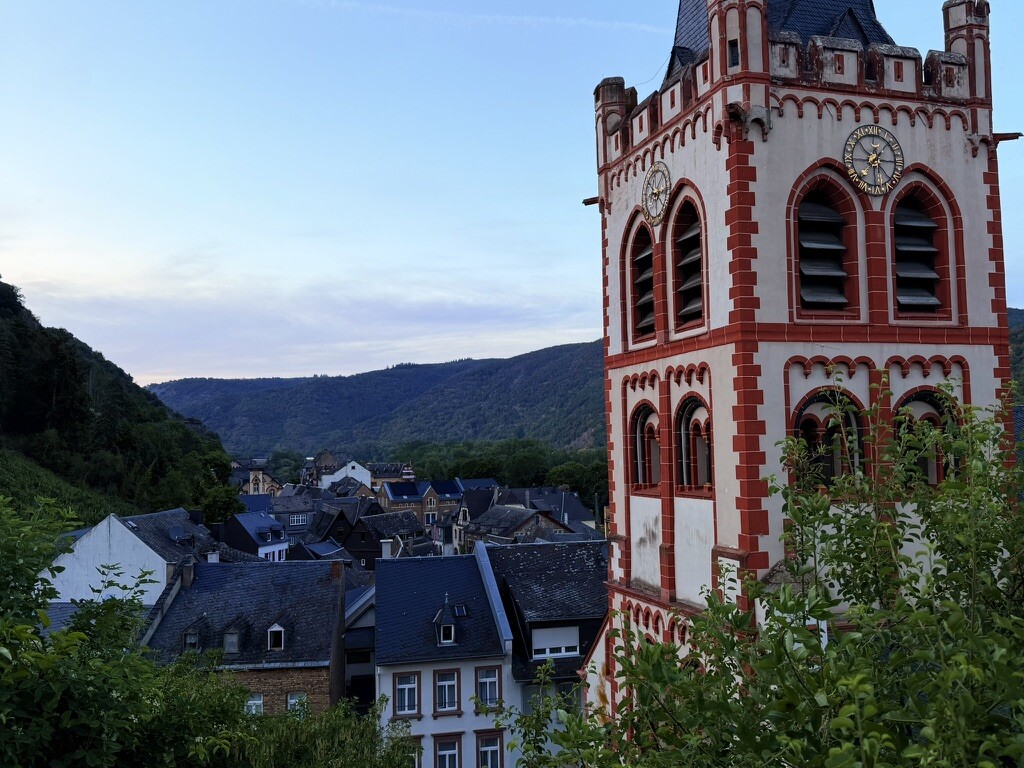
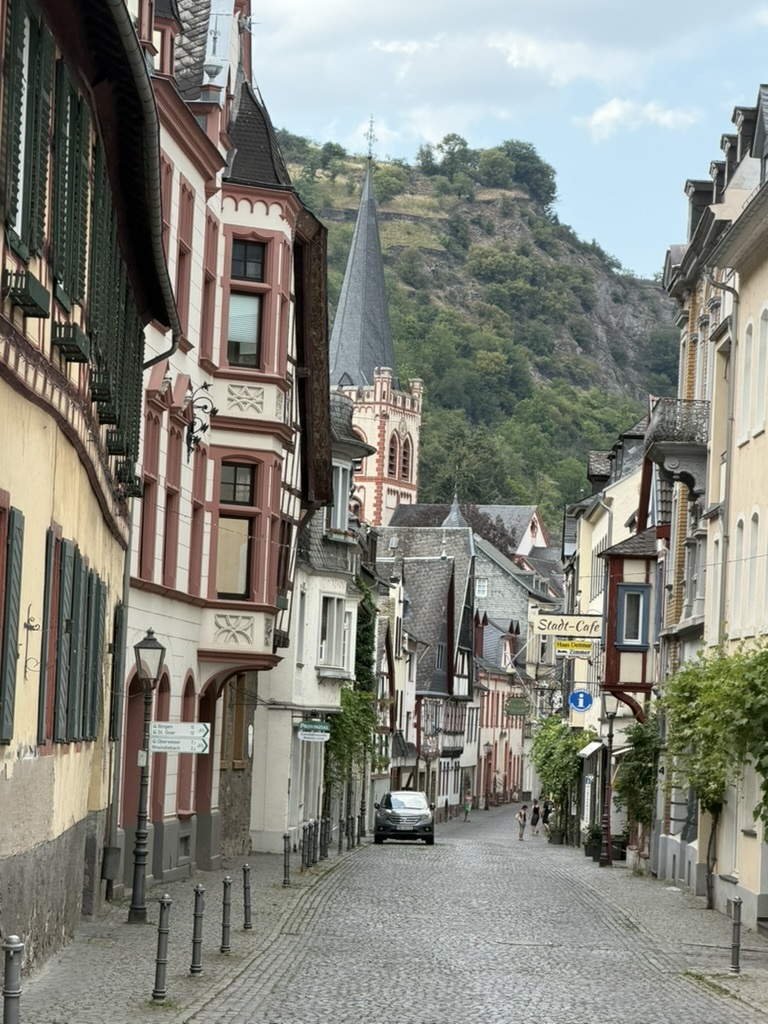
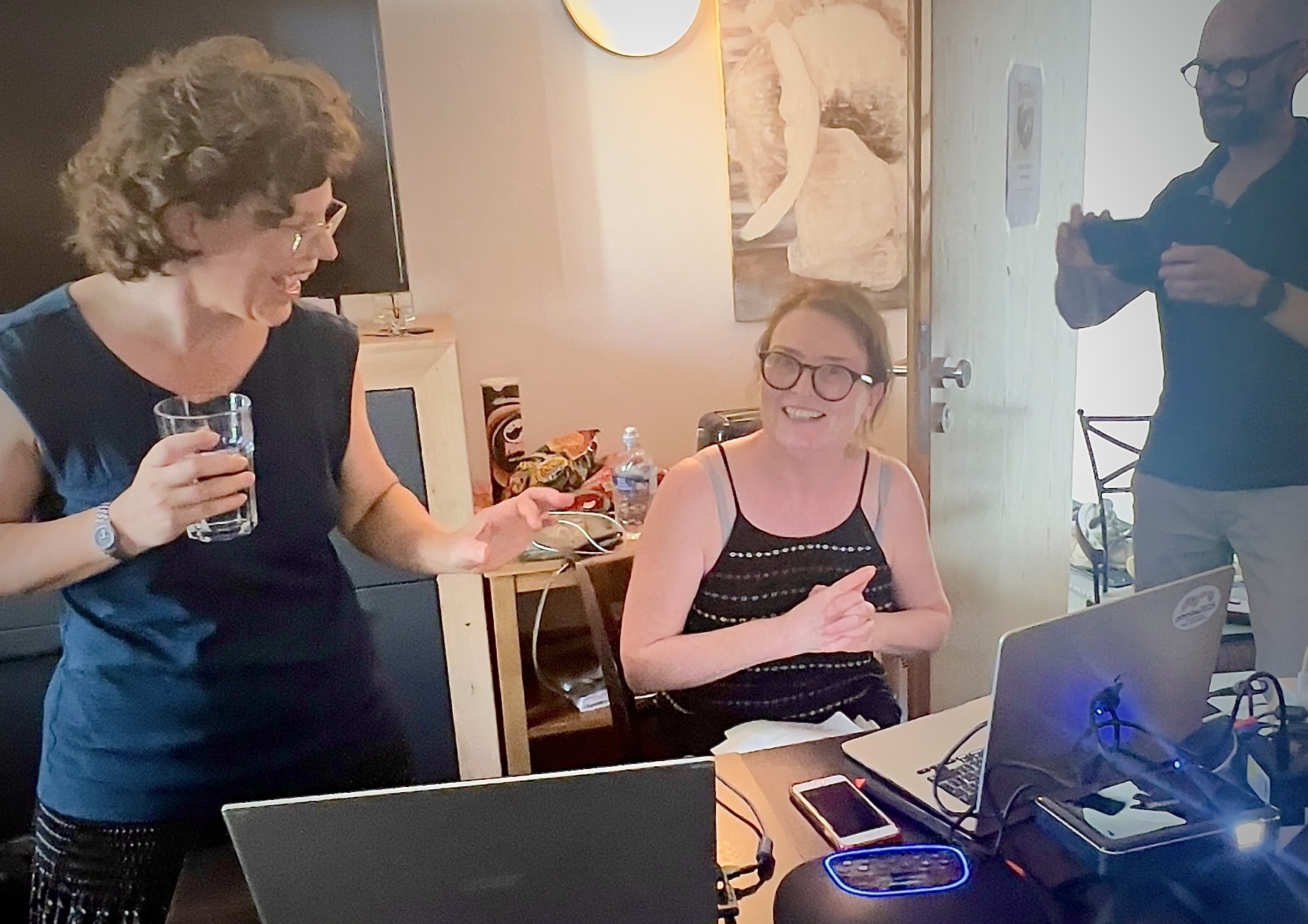
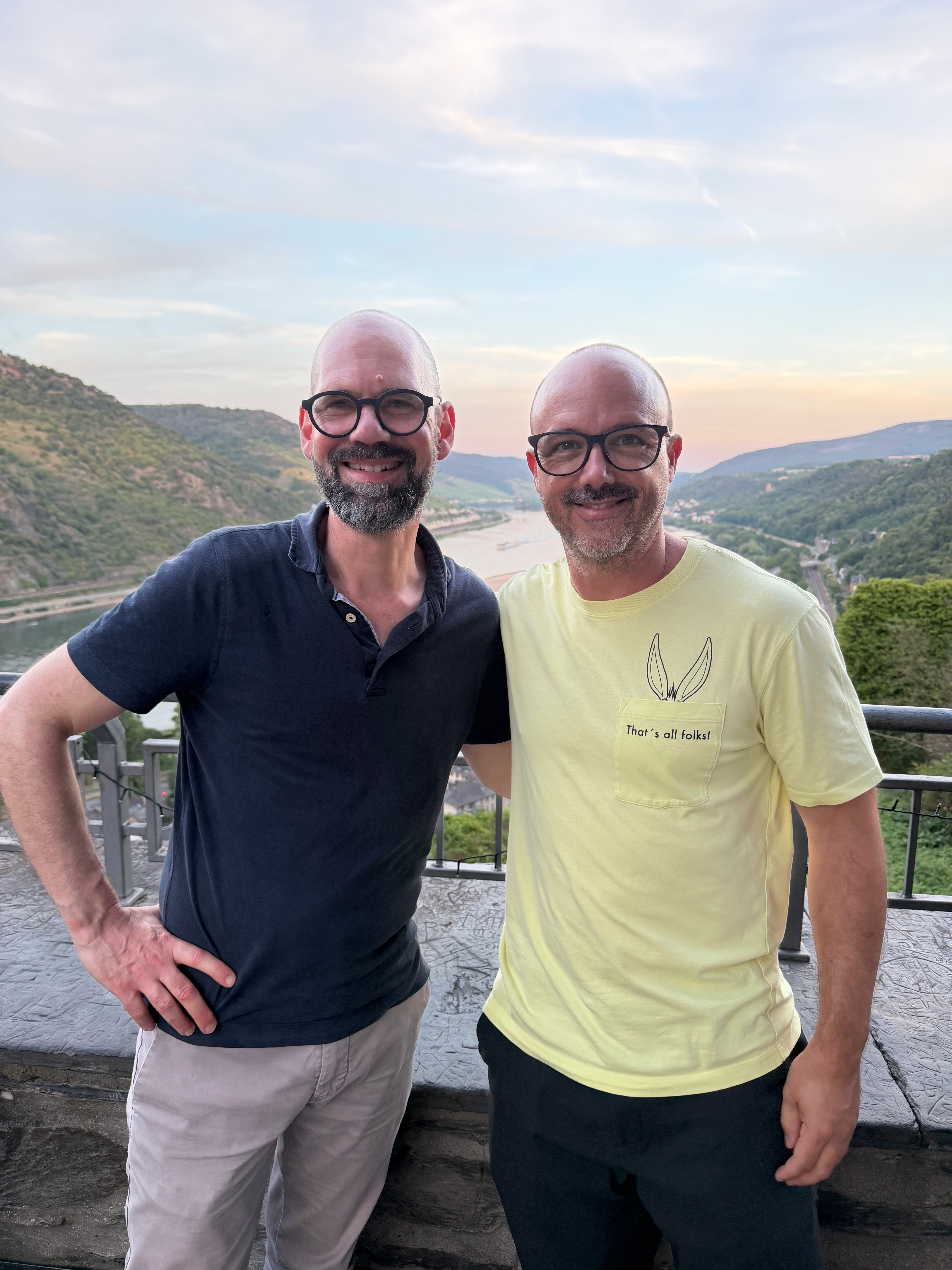
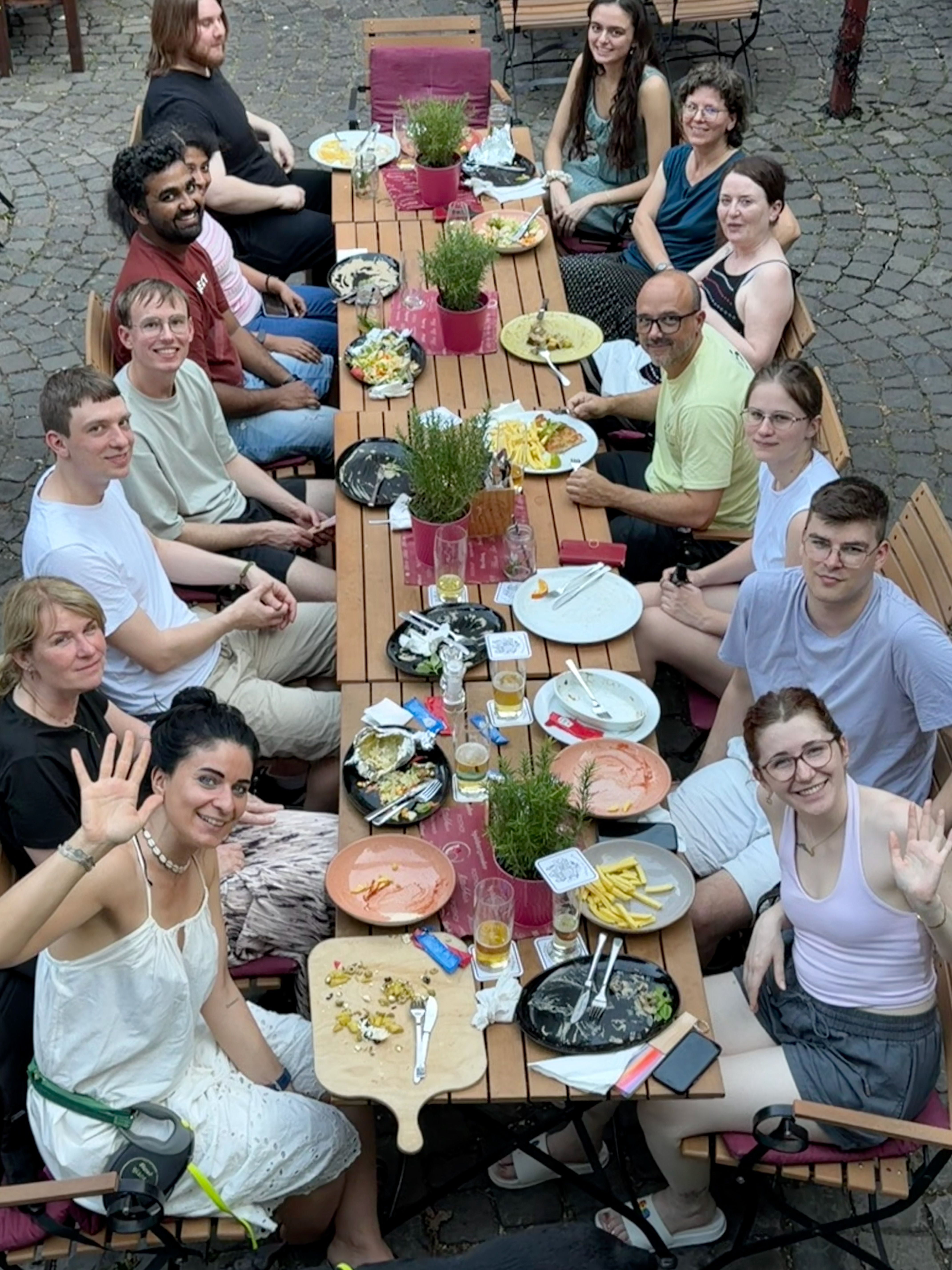
Three fantastic days with the BraunLab & KilchertLab in beautiful Bacharach in the Rhine Valley, a UNESCO World Heritage site close to the Loreley. Great science, lively discussions, hiking, cooking—and plenty of new ideas. We mixed chalk talks and “odds & ends” with brainstorming about future research and how we can improve lab onboarding and mentoring.
A real highlight was the hands-on workshop on curating papers for PomBase, led by the one & only Valerie Wood. Huge thanks for joining us, Val! And it was wonderful to welcome back former lab members Ramon Ramos Barrales (University of Seville) and Ebru Aydin (IMB Mainz).

Wrapping up our Master’s course on heterochromatin regulation and fission yeast genetics with pizza & drinks!
Over the past weeks, students moved from gene expression and chromatin analyses to a full genetic screen, generating lots of interesting data along the way. Thanks to a fantastic group of students and everyone in the BraunLab who contributed.
Time to say goodbye 💙 This week we celebrated the farewell of Agnisrota, marking 6 yrs of impressive PhD work—from LMU Munich to JLU Giessen. With enthusiasm for science & contributions to many projects, Agnis left a lasting mark on our lab. While we’ll miss her greatly, we’re incredibly proud of all she has achieved—and truly happy to see her take the next step as a postdoc in Nils Krietenstein’s group 🇩🇰 as part of the new EpiC.
Our laboratory is located at the Institute of Genetics of Justus Liebig University (JLU) Giessen, in central Germany near Frankfurt. Our international team brings together researchers from different backgrounds and career stages in an open and collaborative environment.
Training and scientific exchange are an integral part of our research, through international collaborations, graduate training, workshops, and scientific meetings. We previously coordinated the Marie Skłodowska-Curie doctoral network Cell2Cell, which brought together academic and industrial partners from across Europe.
Our research has been supported by national and international funding organizations and research programs: